
Attention! To display all products, please press the button "Find"
 38 067 322 7597








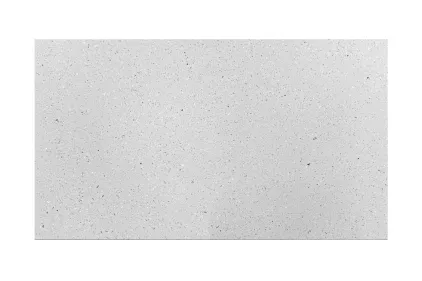


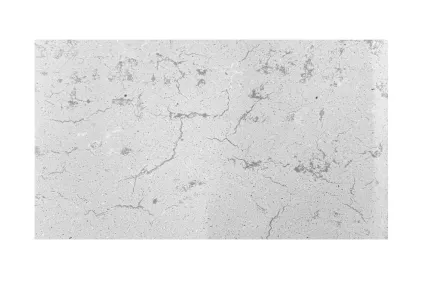
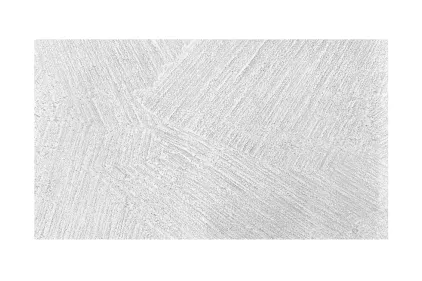


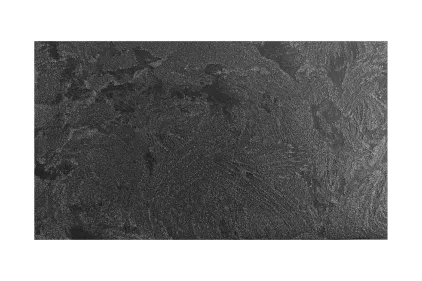
Microcement is a modern decorative coating that creates a seamless, monolithic surface with a concrete-like effect. It can even be applied over old tiles or concrete, making renovations faster and eliminating the need for demolition. Tile, on the other hand, is a classic option that remains the most popular due to its affordable price, wide range of designs, and ease of maintenance. It’s practical, easy to clean, and allows you to replace individual pieces if damaged. However, tile joints can accumulate dirt and visually “break up” the space.
If you want a modern, seamless surface without transitions — microcement is the better choice; but if price, durability, and variety of styles are your priorities — tile remains the more traditional and reliable solution.
Microcement is a modern decorative coating that combines the practicality of concrete with the aesthetics of ceramics. It is applied in a thin layer (only 2–3 mm) on almost any surface — tiles, concrete, drywall, wood, or even furniture.
Microcement creates a seamless coating that is resistant to moisture, scratches, and wear. That’s why it’s often used in bathrooms, kitchens, on floors, and walls. Designers appreciate microcement for its matte, natural texture and minimalist look, which perfectly suits loft, modern, Scandinavian, and minimalism styles.
Microcement is applied in several layers on a well-prepared surface. First, the surface is cleaned and primed, and if necessary, a reinforcing mesh is installed. Then, 2–3 thin layers of microcement are applied with a trowel, each one dried and sanded. Each layer must dry completely before sanding to achieve a smooth finish. The coating is then sealed with varnish or wax to protect it from moisture and wear.
Microcement on walls is applied with a metal trowel or a stainless steel float. These tools allow the material to be spread evenly in a thin layer and create a smooth, decorative texture. For hard-to-reach areas (corners, joints), a smaller trowel or a rubber float is convenient to use.
You’ll also need a roller or brush for applying the primer, and a microfiber roller for the final coat of varnish or wax. The key is to work carefully, applying thin layers to achieve a smooth, seamless finish.
Yes, microcement is perfectly suitable for bathrooms — provided it is applied and sealed correctly. This coating creates a continuous, seamless surface that is waterproof and easy to clean. It can be used on floors, walls, in shower areas, on countertops, or even on sinks.
The key is to apply a protective varnish or hydrophobic coating to prevent water penetration.
The cost of microcement depends on many factors, primarily on the quality of the material and the brand’s level. On average, the price ranges from 1,500 to 6,000 UAH per m² for the material. The higher the product class, the better its wear resistance, waterproofing, and decorative effect.
If you’re looking for a premium result — flawless surface, durability, and an exclusive appearance — it’s worth investing in high-quality materials, as they determine the longevity and aesthetics of the coating.
Yes, microcement can be painted, but it’s best to do this during the preparation stage by adding pigment directly into the mixture. This ensures an even color throughout the surface and long-lasting durability.
If you want to change the shade of an already finished coating, you can use special paints or tinting waxes designed for microcement, followed by a protective varnish. Regular wall paints are not suitable, as they can reduce the coating’s strength and water resistance.
Microcement is perfectly suitable for underfloor heating. Thanks to its thin layer (2–3 mm), it does not block heat transfer, allowing the surface to warm up quickly and distribute heat evenly. The material does not crack due to temperature changes if applied correctly. The main rule is to turn on the heating system before application to dry the base, and after applying the microcement, let the coating dry completely before turning the heating back on.





